
ANDERSSON & JOHANSSON: A MODERN LANGUAGE IN CLAY
Founded in 1909 in the ceramic-rich region of Swedish Höganäs, Andersson & Johanssons Lergodsfabrik quietly shaped the material culture of 20th-century Scandinavia. Working with regional clays and a restrained design vocabulary, the studio transformed everyday ceramic forms into enduring expressions of modern life. Over the course of a century, the company evolved from a small earthenware workshop into an industrial brand, but it never lost its connection to the elemental qualities of its materials.
Origins in a Landscape of Clay
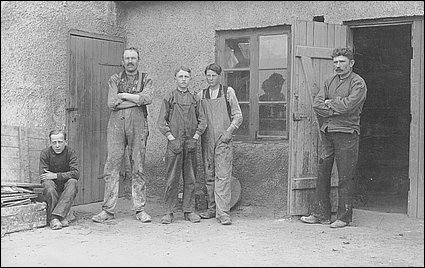
The ceramic traditions of Höganäs were born from the very ground beneath the town. The soil, rich in clay and minerals, had supported pottery production since the 18th century. Höganäs AB, the region’s dominant producer, had established a reputation for sturdy, dark-glazed stoneware. Into this landscape stepped Sigfrid Johansson, a glaze master, and Karl Andersson, a wheel-thrower, founding Andersson & Johanssons Lergodsfabrik in 1909. Their earliest works were utilitarian vessels and tableware, but distinguished by a more diverse palette than their larger competitors—most famously, the ochre-toned “Höganäskrukor.” By 1914, the young company was exhibiting at the Baltic Exhibition in Malmö, signaling ambitions beyond local trade.
Artistry and Direction: John Andersson
Among the studio’s most significant voices was John Andersson (1900–1969), a ceramicist whose vision helped define the company’s artistic identity. Employed as a thrower in 1913, he became artistic director in 1924. Throughout the 1920s, he developed a body of art ceramics known for their distinctly personal character—pieces that balanced formal rigour with expressive glazing and surface detail. From the 1940s onward, Andersson focused increasingly on unique stoneware forms. His work in the 1950s embraced a freer aesthetic, while maintaining a deep respect for form. His most celebrated contribution came in 1955 with the creation of Old Höganäs, a high-fired earthenware series designed for the H55 Exhibition in Helsingborg. The collection, glazed in rich tones of brown, gold, blue, and green, referenced local ceramic heritage while advancing a refined modernist aesthetic. Many of the studio’s miniatures from this period—designed by Andersson and thrown by Gunnar Borg—remain among its most collectible works.
From Workshop to Industry
The mid-20th century marked a period of expansion and consolidation. Andersson & Johansson’s purchase of Nyman & Nyman Höganäskeramik brought together two of Höganäs’s most recognized ceramic producers, unifying traditions under the name Höganäs Keramik—a title that soon became synonymous with Swedish stoneware. Over the following decades, the company evolved from a workshop rooted in earthenware to a stoneware specialist, embracing industrial production without abandoning the tactile sensibility of its handcrafted origins. Strategic mergers, including a partnership with BodaNova and later acquisition by Finland’s Iittala Group, carried the brand far beyond Sweden’s borders. When the Höganäs factory finally closed in 2008 and production moved abroad, the designs remained emblematic of their origins. Even after becoming part of Rörstrand in 2014, the Höganäs name continued to evoke the earthy weight, muted glazes, and honest forms that had defined it for over a century.
Legacy of Clay
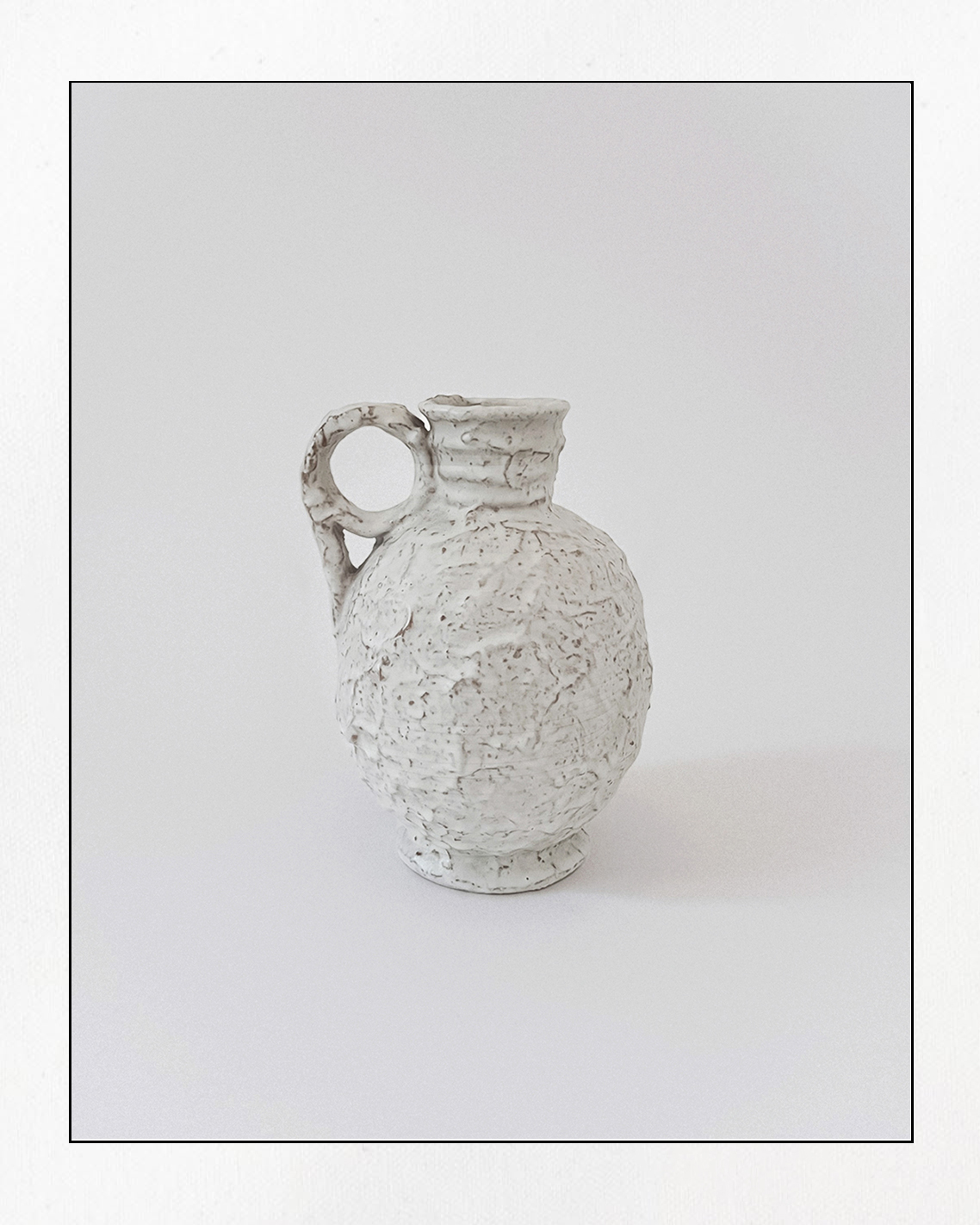
Though the kilns of Höganäs have long since cooled, the forms shaped by Andersson & Johansson continue to circulate—on dining tables, in design museums, and in the hands of collectors. The modernist stoneware of John Andersson, with its measured proportions and quietly experimental glazes, remains especially sought after, its appeal undimmed by time. These works, equally at home in domestic settings and curated displays, speak to a sensibility in which the functional becomes art through precision, restraint, and touch. Preserved in the archives of Skånes Näringslivsarkiv, the company’s eight decades of production trace a commitment to clarity of form and material integrity. At its core is the conviction that everyday objects, when made with intention, can hold enduring cultural weight.
Discover Andersson & Johansson’s design at Artefact.